Concert photography combines technical expertise with split-second decision making. Unlike controlled studio environments, live music venues present constantly changing lighting conditions, unpredictable artist movements, and limited shooting positions. Mastering this challenging discipline requires understanding both camera fundamentals and the unique dynamics of live performance.
Essential Equipment
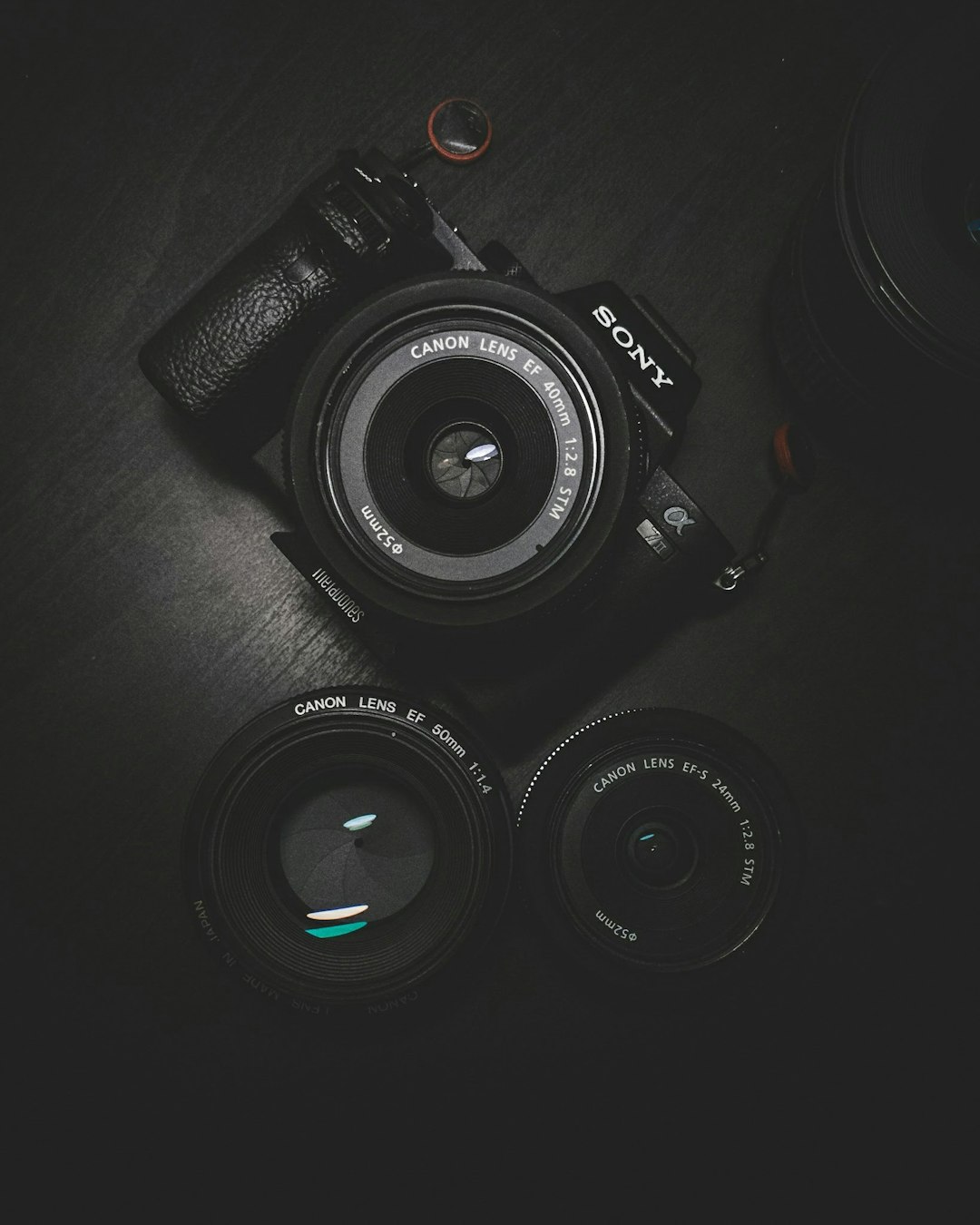
The right equipment makes a significant difference in concert photography. A full-frame camera body offers superior low-light performance, essential when working in dimly lit venues with rapidly changing stage lights. High ISO capabilities allow faster shutter speeds to freeze action without introducing excessive noise.
Lens selection determines your creative possibilities. A 24-70mm f/2.8 zoom provides versatility for both wide shots capturing the entire stage and tighter portraits of individual performers. A 70-200mm f/2.8 lens reaches distant subjects on large stages while maintaining the fast aperture needed for low-light shooting. Some photographers prefer prime lenses like a 50mm f/1.4 or 85mm f/1.8 for their superior light-gathering ability and image quality, though they sacrifice the flexibility of zooms.
Camera Settings for Live Performances
Manual mode gives you complete control over exposure in challenging lighting. Start with a shutter speed of at least one two-hundredth of a second to freeze performer movement. Faster shutter speeds around one five-hundredth prevent motion blur from energetic musicians. Your aperture should be wide open or close to it, typically between f/2.8 and f/4, maximizing light gathering while maintaining adequate depth of field.
ISO settings require balancing image quality with exposure needs. Modern cameras perform admirably at ISO 3200 or 6400, which often proves necessary in dark venues. Don't be afraid to push higher when needed. A properly exposed image with some noise beats an underexposed unusable shot.
Continuous autofocus tracking keeps moving subjects sharp as they traverse the stage. Configure your camera to use multiple focus points and enable face or eye detection if available. These features dramatically improve keeper rates when photographing active performers.
Working with Stage Lighting
Stage lighting presents both opportunities and challenges. Dramatic spotlights create high contrast situations that can fool camera meters. Exposure compensation helps correct for these conditions. When performers are brightly lit against dark backgrounds, dial in negative one to negative two stops of compensation to prevent blown highlights. Conversely, dark subjects against bright backgrounds may require positive compensation.
Colored stage lights affect white balance unpredictably. While you can correct color in post-processing, starting with accurate white balance saves time. Many photographers use auto white balance and fine-tune during editing. Others prefer custom white balance based on the predominant stage lighting color. Shooting in RAW format preserves maximum flexibility for color correction later.
Backlighting creates dramatic silhouettes and rim lighting effects. Position yourself to capture these moments when performers move between you and strong backlights. Expose for the highlights to create striking silhouettes, or use exposure compensation to maintain some detail in shadowed areas for a more balanced look.
Composition and Timing
Compelling concert photographs capture emotion and energy. Watch for peak action moments like a guitarist's string attack, a drummer's cymbal crash, or a singer's powerful vocal delivery. Anticipate these moments by observing patterns in the performance. Musicians often repeat certain movements during specific song sections.
Composition follows the same principles as other photography genres but requires faster execution. Use the rule of thirds to place performers in visually pleasing positions. Include environmental elements like the crowd, stage setup, or architectural features to provide context and scale. Vary your shots between wide establishing images and tight portraits to tell a complete story.
Perspective changes alter the mood and impact of images. Shooting from low angles makes performers appear more imposing and powerful. Eye-level shots create intimacy and connection with the audience. Elevated positions offer unique perspectives but may be restricted at some venues. Always respect venue rules and other audience members while seeking better positions.
The Three Song Rule
Professional concerts typically enforce a three song restriction for photographers. You have approximately fifteen minutes in the photo pit before security escorts you out. This limited window demands efficiency and preparation. Research the band beforehand to know which members to prioritize and what performance styles to expect.
Maximize your time by arriving early to scout positions and test your settings. Start shooting from the opening notes. Don't waste the first song figuring out your camera settings. The opening songs often feature the most energetic performances and dramatic lighting as artists establish the show's energy.
Festival Photography Challenges
Music festivals add complexity with outdoor lighting, larger stages, and different access limitations. Daytime performances eliminate low-light concerns but introduce harsh sunlight challenges. Position yourself to keep the sun behind you when possible, or use the harsh light creatively for high-contrast images.
Late afternoon golden hour provides beautiful warm light perfect for festival photography. The soft directional light flatters performers and creates appealing color palettes. Sunset performances offer spectacular backlit opportunities as the sun drops behind the stage.
Festival crowds become part of the story. Include audience reactions and interactions to capture the event's atmosphere. Wide shots showing thousands of fans with hands raised or singing along convey the scale and energy impossible to communicate through performer-only images.
Post-Processing Workflow
Efficient post-processing transforms good captures into great images. Start by culling aggressively. Concert shoots generate hundreds or thousands of images, but clients or publications need only your strongest work. Delete obvious failures like out-of-focus or poorly exposed images immediately.
Global adjustments correct exposure, white balance, and contrast across your selected images. Most RAW processors allow batch processing, applying similar adjustments to multiple images simultaneously. Fine-tune individual images afterward, paying special attention to skin tones and highlight recovery.
Noise reduction becomes necessary for high ISO images. Modern software includes sophisticated algorithms that preserve detail while reducing noise. Apply noise reduction judiciously. Some grain adds character to concert images and aggressive reduction can create an artificial appearance.
Color grading establishes mood and visual consistency. Many concert photographers develop signature looks through consistent color processing. Some prefer vibrant saturated colors emphasizing the energy of live music. Others choose muted tones or black and white conversions for a timeless feel.
Legal and Ethical Considerations
Understanding photography rights prevents legal issues. Photo pit access typically requires media credentials issued by the venue or artist's management. Credential applications often require proving professional status through publication history or assignment letters.
Copyright and image usage rights vary by situation. Review any agreements before photographing concerts. Some artists restrict image usage heavily while others grant broad permissions. Respect these terms to maintain good relationships with artists and venues.
Audience etiquette matters even for credentialed photographers. Don't block views of paying customers or distract from the performance. Be aware of your surroundings in the photo pit and coordinate with other photographers to ensure everyone gets quality shots.
Building a Concert Photography Portfolio
Breaking into concert photography requires persistence and strategic portfolio building. Start with local venues and emerging artists who welcome photography coverage. These opportunities provide valuable experience and portfolio pieces without the access restrictions of major concerts.
Document diverse genres and venue types. A varied portfolio demonstrates versatility and appeals to a broader range of potential clients. Include images showing different technical skills like motion blur effects, dramatic lighting, and environmental portraits.
Social media has become essential for concert photographers. Share your work consistently to build an audience and attract attention from artists and venues. Tag performers and venues in your posts to increase visibility and demonstrate your value to potential clients.
Conclusion
Concert photography demands technical proficiency, quick reflexes, and creative vision. The challenging conditions force photographers to elevate their skills while the dynamic nature keeps the work exciting and rewarding. Success requires practice, preparation, and persistence. Start photographing local shows, study the work of established concert photographers, and continuously refine your technique. With dedication and the right approach, you can capture powerful images that preserve the energy and emotion of live music performance for audiences unable to attend.